Source CE Certified European Standard Ambulance for Transport
Source CE certified European standard ambulance units from verified suppliers. Compare 30 models with varying horsepower, transmission types, and medical equipment options to find the right vehicle for transporting injured, sick, or viral infection patients; compare the available evidence and request quotations based on your requirements.
Key considerations
Products List




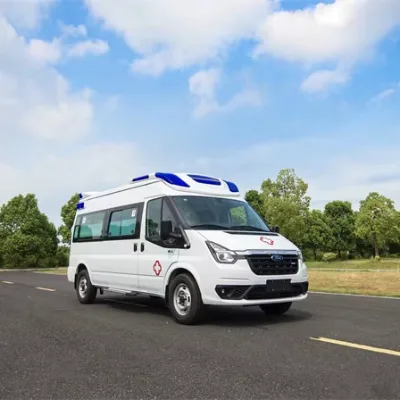


$60000.00 - $90000.00
Moq: 1


Emergency Response Ambulance: New Energy Medical Vehicle with Lead Protection
$440000.00 - $1100000.00
Moq: 1

Rescue-Ready Medical Vehicle: New Energy Ambulance with Speed and Safety
$440000.00 - $1100000.00
Moq: 1

High-Performance Rescue Vehicle: New Energy Medical Ambulance for Emergencies
$440000.00 - $1100000.00
Moq: 1


Comprehensive Sourcing Guide
CE Certified European Standard Ambulance Sourcing Guide
Procuring a CE certified ambulance requires distinguishing between vehicles designed for general transport and those equipped for critical medical intervention. The market offers models ranging from basic transit units to advanced mobile care stations, often varying significantly in horsepower and transmission types. Buyers must carefully evaluate whether the vehicle includes essential medical equipment or is supplied as a bare chassis, as this distinction fundamentally alters the procurement strategy and total cost of ownership.
Verification of the specific European standard compliance is paramount, as certifications like EEC and CE indicate adherence to rigorous safety and emission norms. However, observed listings show a mix of emission standards, including Euro 3, Euro 5, and Euro 6, alongside varying fuel types such as gasoline and diesel. Sourcing teams must confirm that the specific unit selected matches the regulatory requirements of the destination country, ensuring that the vehicle's certification is valid for the intended operational environment.
Product Scope and Observed Listing Signals
The available product scope spans from compact units with a wheelbase of 3360mm to larger vehicles extending up to 15 meters in length. Listings indicate a diverse range of configurations, including single-axle designs with manual or automatic transmissions and horsepower ratings between 160hp and 260hp. Buyers should note that some units are explicitly described as having a "nice shape" and rational structure, while others focus on specific features like automatic loading stretchers or transit monitoring capabilities.
Price signals in the market are highly volatile, with observed ranges stretching from 5,600 to over one million USD, reflecting the vast difference between basic transport vehicles and fully equipped mobile hospitals. Minimum order quantities are frequently listed as one unit, allowing for flexible procurement, yet the wide price disparity suggests that specifications like engine power, fuel type, and included medical gear are the primary drivers of cost. Procurement teams must align their budget with the specific functional requirements rather than assuming a standard price point for all ambulance categories.
Technical Specifications to Verify
Engine performance and transmission compatibility are critical technical parameters that dictate the vehicle's operational readiness in emergency scenarios. Specifications observed include engines delivering up to 231 horsepower with output powers reaching 155 Kw, paired with either manual or automatic gearboxes. Buyers must verify that the top speed of 160 km/h and the specific tyre specifications, such as 215/75r16lt or 215/75r16c, meet the road conditions and response time requirements of their service area.
Dimensional constraints and chassis configuration also require strict verification to ensure the vehicle fits local infrastructure and garage facilities. The observed length ranges from 3 to 8 meters for standard models, with some larger variants extending to 15 meters, while width and height dimensions vary based on the specific model and equipment load. Confirming the axle type, typically single, and the wheelbase is essential for maneuverability, while checking for features like ABS and customized color options ensures the vehicle meets both safety and branding needs.
Compliance and Safety Documentation
Certification documents serve as the primary proof of a vehicle's adherence to international safety and environmental regulations. The market data confirms the presence of ISOCCC, EPA, EEC, and CE certifications, which are vital for importing vehicles into European and other regulated markets. Buyers must request original certificates for each specific unit to verify that the emission standards, such as Euro 5 or Euro 6, are officially recognized and not merely claimed by the supplier.
Safety documentation must also cover the vehicle's structural integrity and the functionality of its medical equipment. While some listings indicate the presence of automatic loading stretchers and medical equipment, others specify vehicles without such gear, requiring the buyer to source and install these components separately. Ensuring that the vehicle's design supports rational structure and that all safety features like ABS are integrated correctly is necessary to maintain compliance with operational safety standards.
Cost Drivers and Commercial Terms
The total cost of an ambulance is heavily influenced by the inclusion of medical equipment and the complexity of the engine system. Units equipped with automatic loading stretchers and full medical suites command significantly higher prices compared to bare chassis or basic transport vehicles. Additionally, the choice between gasoline and diesel engines, along with the horsepower rating, creates a substantial variance in both the initial purchase price and long-term fuel expenses.
Commercial terms regarding packaging and shipping logistics also play a significant role in the final landed cost. Suppliers offer various packing methods, including bulk shipping, RO-RO, and containerized transport, which affect the safety of the vehicle during transit and the associated freight charges. Buyers should clarify whether the price includes the customized logo and color requirements, as these value-added services can impact the overall budget and delivery timeline.
Supplier Qualification and Quality Control
Supplier qualification should focus on verifying the origin and manufacturing capabilities of the provider, with many listings indicating origins in Suizhou or Hubei, China. Buyers must ensure that the supplier has a proven track record of producing vehicles that meet the specific model numbers and standards observed in the market, such as the CLW5040XJHCDP or VITO models. Checking for consistent quality in the production of the vehicle's body and chassis is essential to avoid defects that could compromise emergency response capabilities.
Quality control processes must extend beyond the factory floor to include pre-delivery inspections that verify all listed specifications. Buyers should demand evidence that the vehicle's emission standards, certification marks, and medical equipment functionality have been tested and validated before shipment. Establishing a clear protocol for inspecting the vehicle upon arrival, including a check of the tyre specifications and engine performance, helps mitigate the risk of receiving non-compliant or defective units.
Long-Term Procurement Checks
Sustainable procurement requires a focus on the availability of spare parts and the long-term support provided by the manufacturer. Vehicles with specific engine models and transmission types may require specialized parts that are not universally available, making it crucial to secure a supply chain for maintenance and repairs. Buyers should negotiate service agreements that guarantee access to technical support and genuine components to ensure the vehicle remains operational throughout its service life.
Regular audits of the vehicle's compliance status and condition are necessary to maintain safety and regulatory adherence over time. As emission standards evolve, vehicles certified to older standards like Euro 3 may face restrictions in certain regions, necessitating a review of the procurement strategy to ensure future-proofing. Establishing a schedule for periodic inspections of the medical equipment and vehicle structure helps maintain the high standards required for emergency medical services.
FAQs
What certifications do these ambulances hold?
These vehicles hold ISOCCC, EPA, EEC, and CE certifications. This ensures compliance with European standards and international safety requirements. Buyers can verify these credentials to meet regulatory needs for importing medical transport vehicles into specific regions requiring strict adherence to emission and safety protocols.
Can the ambulance be customized for specific needs?
Yes, customization is available for logos, colors, and medical equipment configurations. Suppliers offer tailored solutions to match specific operational requirements. This flexibility allows buyers to select between basic transport or advanced monitoring types, ensuring the vehicle fits the intended use for injured or viral infection patients.
What is the typical horsepower range for these models?
The horsepower ranges from 160 to 260 hp depending on the model. Some units feature 231 hp engines with automatic transmissions, while others offer manual options. This power range supports a top speed of 160 km/h, ensuring efficient transit for emergency medical services across various terrains.
Which emission standards are supported by these vehicles?
These ambulances support Euro 2 through Euro 6 emission standards. They are available with both gasoline and diesel fuel types. This variety allows buyers to select models that comply with local environmental regulations, ensuring legal operation in regions with strict air quality and emission control policies.
What are the standard dimensions for these ambulances?
Standard dimensions typically range from 5370 to 5495 mm in length. Widths are around 1928 to 1974 mm, with heights near 2330 to 2498 mm. These sizes accommodate various wheelbases and ensure adequate interior space for medical equipment and patient transport while maintaining maneuverability in urban environments.
How are these vehicles packaged for shipping?
Vehicles are packaged using bulk shipping, RO-RO, or container methods. Standard export packaging is also available for certain models. This flexible logistics approach ensures safe transit from origins in China, protecting the vehicles during international shipping and reducing the risk of damage upon arrival at the destination port.